
As global demand grows for smarter, smaller, and more energy-efficient control systems, traditional relay technologies are struggling to keep up. Mechanical relays—long used in HVAC, building automation, security systems, and industrial equipment—often fall short in size, noise, power consumption, and long-term reliability.
A new generation of solid-state, load-powered latching relays is emerging to solve these challenges. A strong example is the recently introduced Littelfuse CPC1601M, a compact load-powered latching relay designed to bring ultra-low power consumption, silent operation, and simplified wiring to modern control systems.
In this article, we explore why this technology matters, what CPC1601M reveals about industry direction, and how manufacturers, system integrators, and design engineers can leverage these next-generation components to build better, more efficient products.
1. Why Traditional Relays Are No Longer Enough
Across smart buildings, HVAC, industrial controls, and IoT infrastructure, engineers face several growing pressures:
• Power Consumption Limits
Low-power, battery-powered, or energy-harvesting devices cannot afford high coil currents or constant energizing typical of mechanical relays.
• Limited Space
Miniaturization is now mandatory—especially in compact thermostats, wall-mounted controllers, and space-constrained industrial modules.
• Audible Noise & Reliability Concerns
Mechanical relays generate clicking sounds and wear down over time, creating maintenance challenges in silent or high-reliability environments.
• Wiring Limitations in Renovation Projects
Older buildings often lack a neutral or common “C-wire,” making it difficult to power traditional control devices without extensive rewiring.
As industries shift to digital, automated, and energy-efficient infrastructures, the market clearly needs smarter alternatives.
2. The CPC1601M: What Makes Load-Powered Latching Relays a Breakthrough?
The Littelfuse CPC1601M demonstrates how modern relay solutions can overcome traditional limitations through smart solid-state design. Key features include:
Load-Powered Operation: The relay can draw operational energy directly from the load or consume sub-microamp current from system power—ideal for low-power or battery-powered systems.
Latching Architecture: A single pulse toggles the relay state.
No continuous power is required—dramatically reducing energy consumption.
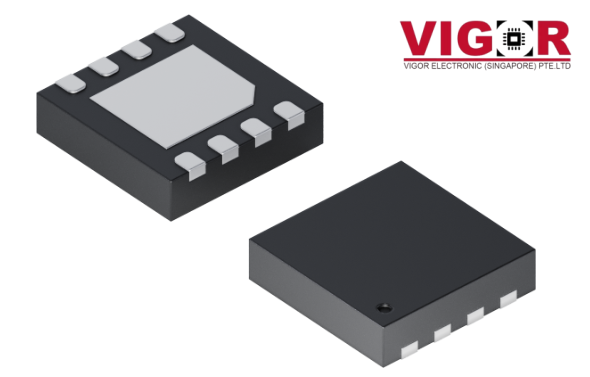
Ultra-Compact 3 × 3 mm DFN Package: This tiny footprint allows designers to cut PCB size and build slimmer devices.
Silent Switching: Because it is solid-state, switching occurs with zero clicking noise, making it suitable for residential, commercial, medical, and quiet industrial environments.
High Reliability & Long Lifetime: No mechanical contacts =No arcing, No wear, No maintenance
Broad Application Range:
Smart thermostats
HVAC control units
Building automation modules
Security & access control
Industrial control systems
Energy meters and instrumentation
The CPC1601M is more than a single new product—it represents a larger market shift toward ultra-efficient, miniature, maintenance-free solid-state relays.
3. What This Means for System Designers and Product Manufacturers
For engineers designing next-generation control systems, this class of relay technology unlocks several advantages:
A. Easier Integration Into Low-Power and IoT Devices
Load-powered SSRs allow devices to operate with minimal current draw—even without a dedicated C-wire. Ideal for:
Smart home retrofits
Battery-operated HVAC controllers
IoT sensors and wireless modules
B. Smaller, Thinner, More Modern Product Designs
The tiny DFN package enables compact PCBs and sleeker industrial designs.
C. Improved Customer Experience
Silent switching improves user comfort in homes, hospitals, hotels, and office buildings.
D. Lower System Failure Rates
Solid-state components dramatically reduce return/repair events due to mechanical relay fatigue.
E. Reduced Installation Costs
In renovations or upgrades, eliminating the need for extra cabling lowers labor time and project cost.
4. Industry Trend: Solid-State Latching Relays Are Becoming the New Standard
The launch of CPC1601M shows that major manufacturers recognize a clear demand for:
Energy-efficient control components
Silent operation
Solid-state reliability
Compact form factors
Support for both modern and legacy wiring environments
As building automation, industrial control, and IoT edge devices continue to scale, these relays will increasingly replace mechanical types—much like LEDs replaced incandescent lamps.

Conclusion
The CPC1601M highlights a major shift in the electronics industry: a transition toward smarter, smaller, and more efficient switching technologies. For engineers and manufacturers seeking to innovate in HVAC, automation, and industrial systems, adopting modern SSR latching relays will become a key competitive advantage.
Contact us to explore more components