
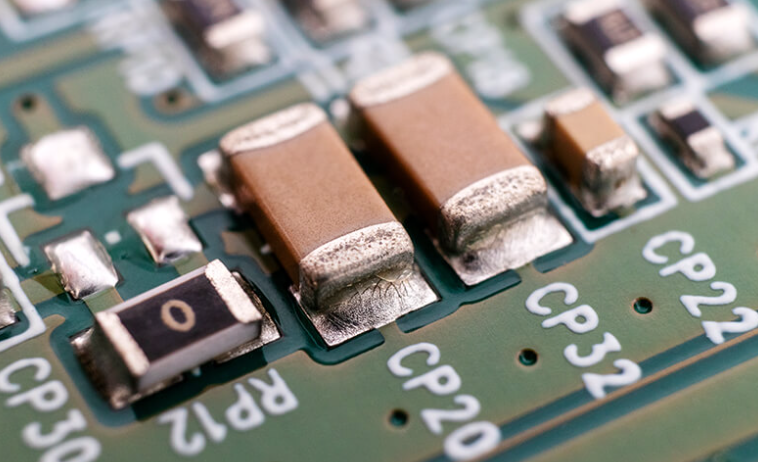
In Q2 2026, the global MLCC (Multilayer Ceramic Capacitor) market is showing a clear divergence: robust AI-driven demand contrasts sharply with weak consumer electronics recovery. This structural shift is reshaping both supply dynamics and pricing trends.
Rising global energy prices have increased logistics and manufacturing costs, while inflation continues to suppress consumer confidence and corporate spending. Meanwhile, surging prices of key materials such as silver, copper, and aluminum have pushed passive component prices up by 10%–15% since April.
OEM Pull-Ins Support Short-Term Demand
To hedge against supply constraints and cost inflation, OEMs like Dell and HP have advanced part of their Q3 orders into Q2.
This strategy boosted shipments for ODM players such as Quanta Computer, Wistron, and Compal Electronics. However, since full-year demand forecasts remain unchanged, risks of a weaker second half persist.
Supply Shift Toward High-End MLCC
On the supply side, utilization rates are recovering as manufacturers reallocate capacity toward high-end MLCC, driven by strong AI server demand.
Key suppliers include:
Their book-to-bill ratios have exceeded 1, indicating tightening supply conditions in high-end segments.
Outlook: High-End Growth vs Consumer Weakness
Looking ahead, demand for high-end MLCC is expected to strengthen further as cloud ASIC projects ramp up in late 2026, potentially driving moderate price increases.
However, inventory correction in PCs and notebooks, along with macroeconomic uncertainties, will continue to weigh on consumer MLCC demand.
In summary: the MLCC market is entering a “structural growth phase” — driven by AI and high-value applications, while traditional consumer demand remains under pressure.