
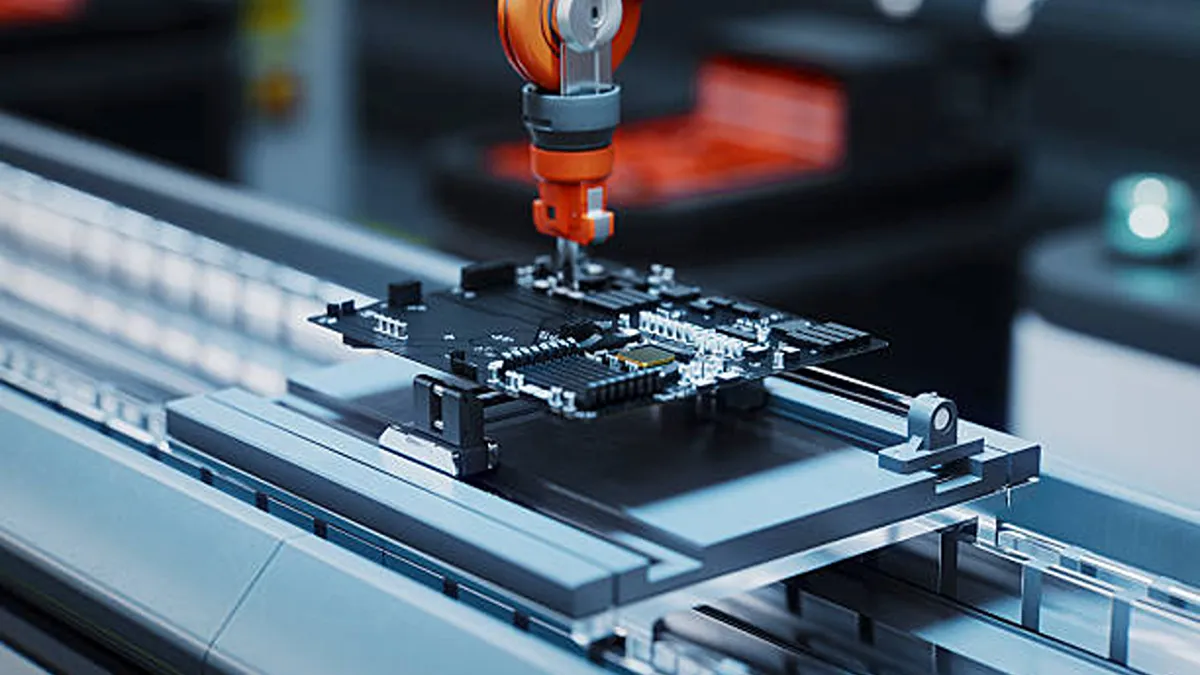
Printed circuit boards (PCBs) are the foundation of almost every modern electronic device. From smartphones and industrial controllers to automotive systems and communication equipment, PCBs provide both mechanical support and electrical connections for electronic components.
Although a PCB may look like a simple board, it is actually a carefully engineered structure made from multiple materials with different electrical, thermal, and mechanical properties. The choice of PCB material directly affects signal performance, heat dissipation, reliability, and the overall lifespan of an electronic product.
Understanding PCB circuit board materials is important not only for PCB designers and manufacturers but also for engineers, purchasing teams, and electronic component suppliers who need to evaluate how components perform in different application environments.
This article explains what circuit boards are made of, the most common PCB materials, how material selection affects electronic performance, and the relationship between PCB materials and electronic components.
What Is a Circuit Board Made Of?
A printed circuit board is typically composed of several layers of insulating materials, conductive materials, and protective coatings. These layers work together to create electrical pathways while maintaining mechanical strength and environmental reliability.
The basic structure of a PCB usually includes:
- Substrate material: The main insulating base that provides mechanical support.
- Copper foil: The conductive layer that forms electrical traces.
- Resin system: A bonding material that holds the PCB structure together.
- Solder mask: A protective coating that prevents short circuits and oxidation.
- Silkscreen layer: A marking layer used for component identification.
- Surface finish: A protective coating applied to exposed copper areas.
Different electronic applications require different combinations of these materials. For example, a simple consumer device may use standard FR-4 material, while high-frequency communication equipment may require advanced low-loss materials.
Main Materials Used in PCB Manufacturing
FR-4 PCB Material
FR-4 is the most widely used PCB substrate material in the electronics industry. It is a fiberglass-reinforced epoxy laminate that provides a good balance between cost, mechanical strength, electrical insulation, and reliability.
The name “FR-4” refers to a flame-resistant grade of fiberglass epoxy material. It is commonly used in:
- Consumer electronics
- Industrial control systems
- Power equipment
- Computer hardware
- General-purpose electronic devices
FR-4 remains popular because it provides reliable performance for a wide range of applications without significantly increasing manufacturing costs.
However, standard FR-4 may not always be suitable for high-frequency or high-temperature applications. In those cases, engineers may select specialized PCB materials with improved electrical or thermal characteristics.
Copper Foil
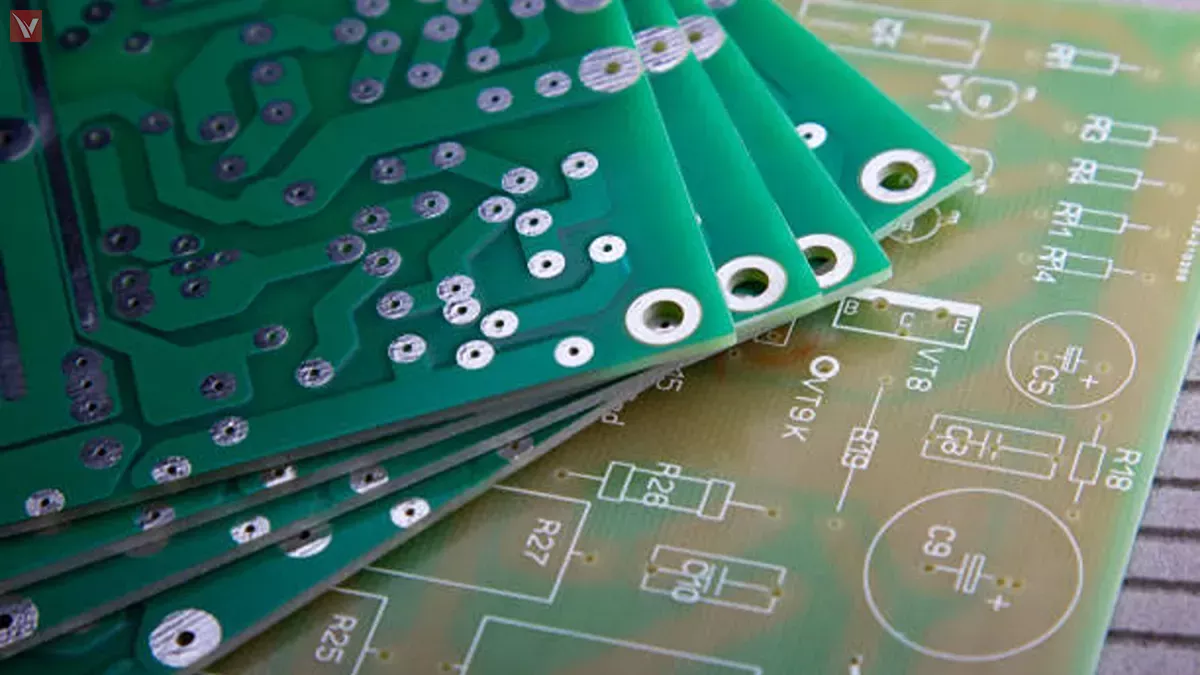
Copper is one of the most important materials in a PCB because it creates the conductive pathways that connect electronic components.
During PCB manufacturing, copper foil is laminated onto the substrate and then etched to form electrical traces. These traces carry:
- Power signals
- Data signals
- Ground connections
Copper thickness is an important design factor. Higher-power applications may require thicker copper layers to handle increased current and reduce heat generation.
For example:
| Copper Thickness | Typical Applications |
|---|---|
| Standard copper thickness | Consumer electronics and general circuits |
| Medium copper thickness | Industrial equipment and power control systems |
| Heavy copper | High-current applications such as power electronics |
Resin and Epoxy Materials
Resin systems are used to bond fiberglass layers together and provide electrical insulation.
Common resin materials include:
- Epoxy resin
- Polyimide resin
- High-performance resin systems
The resin properties influence:
- Thermal resistance
- Moisture resistance
- Mechanical stability
- Signal transmission quality
For demanding applications, such as automotive electronics or aerospace systems, engineers often select PCB materials with higher temperature resistance and improved reliability.
Solder Mask
The solder mask is the protective coating commonly seen as the green surface on many circuit boards.
Its main functions include:
- Preventing accidental solder bridges
- Protecting copper traces from oxidation
- Improving PCB durability
- Providing electrical insulation between conductive areas
Although green is the most common solder mask color, other colors such as blue, black, and red are also widely used.
Surface Finish Materials
The exposed copper areas on a PCB require protection because copper can oxidize when exposed to air. Surface finishes improve solderability and protect the board during manufacturing and assembly.
Common surface finishes include:
| Surface Finish | Characteristics | Common Applications |
|---|---|---|
| HASL | Cost-effective and widely used | General electronics |
| ENIG | Flat surface and good reliability | High-density PCB assembly |
| OSP | Environmentally friendly protection | Cost-sensitive applications |
| Immersion Silver | Good electrical performance | Advanced electronic products |
| LED Applications | Metal core PCB | Heat dissipation |
The choice of surface finish depends on factors such as component type, assembly method, and product reliability requirements.
PCB Material Types
Different electronic products require different PCB structures and materials. The most common PCB material categories include rigid PCBs, flexible PCBs, metal core PCBs, and high-frequency PCBs.
| PCB Type | Main Material | Typical Applications |
|---|---|---|
| Rigid PCB | FR-4 fiberglass epoxy | Computers, industrial equipment, consumer electronics |
| Flexible PCB | Polyimide | Wearable devices, mobile electronics |
| Metal Core PCB | Aluminum or copper core | LED lighting, power electronics |
| High Frequency PCB | PTFE, Rogers materials | RF systems, communication equipment |
Flexible PCB Materials
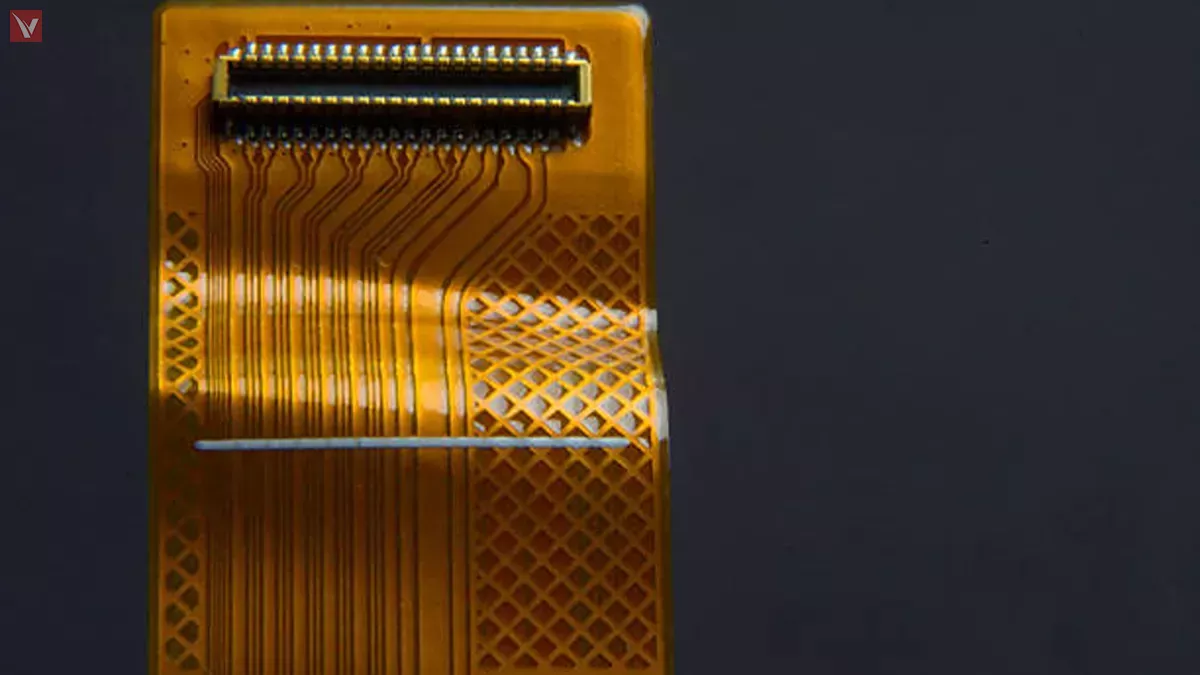
Flexible PCBs use materials such as polyimide that allow the circuit board to bend or fold.
They are commonly used in products where space and weight are important, including:
- Smartphones
- Wearable electronics
- Medical devices
- Compact sensors
Flexible PCB materials must maintain electrical performance while tolerating repeated mechanical movement.
Metal Core PCB Materials
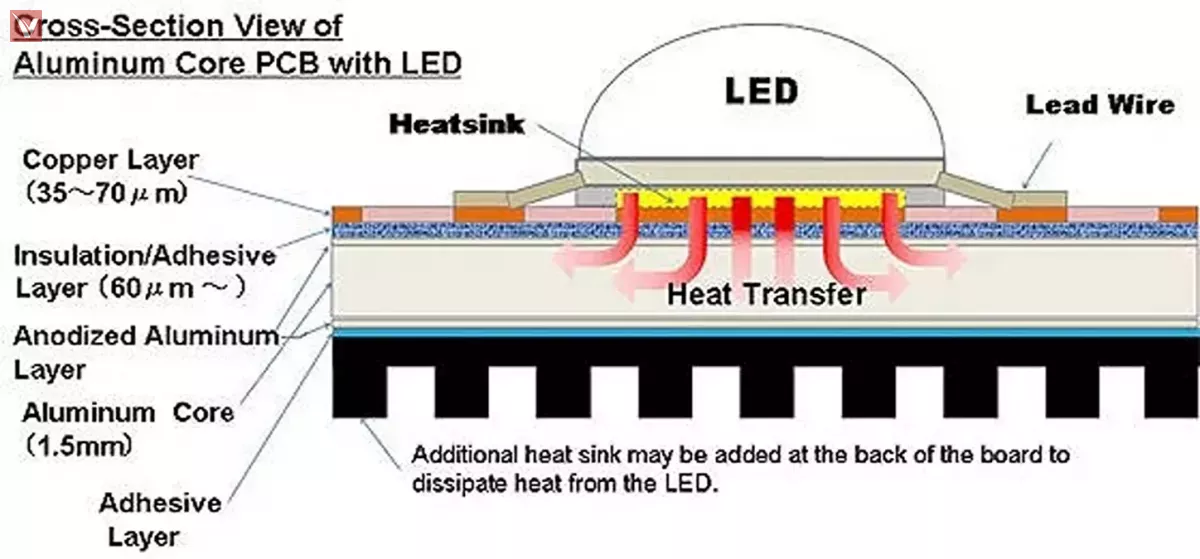
Metal core PCBs use materials such as aluminum to improve heat dissipation.
They are especially useful for applications that generate significant heat, including:
- LED lighting systems
- Power converters
- Motor control equipment
Effective thermal management is critical because excessive heat can reduce the reliability of electronic components such as power ICs, MOSFETs, and semiconductor devices.
High-Frequency PCB Materials
High-frequency applications require PCB materials with stable electrical characteristics.
Common materials include:
- PTFE-based laminates
- Rogers high-frequency materials
- Low-loss dielectric materials
These materials are used in:
- Wireless communication equipment
- Radar systems
- RF modules
- Advanced networking devices
High-frequency PCB materials help maintain signal integrity by reducing signal loss and interference.
How PCB Material Selection Affects Electronic Performance
PCB material selection is not only a manufacturing decision. It directly affects the performance and reliability of the entire electronic system.
Thermal Performance
Heat management is one of the most important considerations in modern electronics.
High-power components such as:
- Power semiconductors
- Voltage regulators
- Motor drivers
- Power management ICs
generate heat during operation.
A PCB with suitable thermal properties helps transfer heat away from sensitive components and improves system reliability.
Electrical Performance
PCB materials influence electrical characteristics such as:
- Dielectric constant (Dk)
- Dissipation factor (Df)
- Signal loss
- Impedance control
For high-speed digital systems and communication equipment, selecting the correct PCB material is essential to maintain signal quality.
Mechanical Reliability
A PCB must withstand:
- Temperature changes
- Mechanical stress
- Vibration
- Manufacturing processes
Industrial and automotive applications often require materials with higher durability compared with standard consumer products.
PCB Materials Used in Different Industries
PCB materials vary depending on the requirements of different industries.
| Industry | Common PCB Materials | Key Requirements |
|---|---|---|
| Consumer Electronics | FR-4, flexible PCB materials | Cost efficiency and compact design |
| Automotive Electronics | High-temperature FR-4, advanced laminates | Reliability and thermal stability |
| Industrial Automation | FR-4, high-reliability materials | Long operating life |
| Telecommunications | High-frequency materials | Signal integrity |
| LED Applications | Metal core PCB | Heat dissipation |
Relationship Between PCB Materials and Electronic Components
PCB materials and electronic components are closely connected. A PCB is not only a mechanical platform for components; it also affects how components perform in real applications.
For example:
- High-power semiconductor devices require PCBs with effective thermal management.
- High-speed communication ICs require low-loss PCB materials to maintain signal integrity.
- Industrial control components require reliable PCB structures to operate under demanding conditions.
From an electronic component perspective, understanding PCB materials helps engineers evaluate system reliability, component selection, and application requirements.
Components commonly used on PCB assemblies include:
- Microcontrollers
- Memory ICs
- Power management ICs
- Sensors
- Communication ICs
- Signal isolation components
The interaction between PCB materials and electronic components plays an important role in the performance of modern electronic systems.
How Engineers Select the Right PCB Material
Selecting the correct PCB material depends on several factors:
| Consideration | Questions to Evaluate |
|---|---|
| Operating temperature | How much heat will the system generate? |
| Signal requirements | Does the application require high-speed or RF performance? |
| Mechanical environment | Will the product experience vibration or stress? |
| Cost requirements | Is standard FR-4 sufficient? |
| Reliability requirements | How long must the product operate? |
Engineers typically balance performance, reliability, and cost when selecting PCB materials.
A material suitable for a consumer device may not be appropriate for industrial automation equipment or automotive electronics.
Frequently Asked Questions
What are most circuit boards made of?
Most circuit boards are made from fiberglass-reinforced epoxy laminate (FR-4), copper foil, resin, solder mask, and protective surface finishes.
What is the most common PCB material?
FR-4 is the most common PCB material because it provides a good balance of cost, strength, electrical performance, and reliability.
Are all PCBs made from fiberglass?
No. While fiberglass-based FR-4 is widely used, flexible PCBs use materials such as polyimide, and high-performance applications may use PTFE or other specialized laminates.
How do PCB materials affect electronic components?
PCB materials influence thermal management, signal quality, and reliability, which directly affects the performance of components mounted on the board.
Conclusion
Circuit boards are made from carefully selected combinations of insulating materials, conductive layers, and protective coatings. While FR-4 remains the most common PCB material, different applications require specialized solutions such as flexible materials, metal core boards, and high-frequency laminates.
For engineers and electronic component professionals, understanding PCB materials is essential because the PCB structure directly influences component reliability, thermal performance, and overall system performance.
As electronic systems continue to become smaller, faster, and more powerful, PCB material selection will remain a critical factor in designing reliable electronic products.