
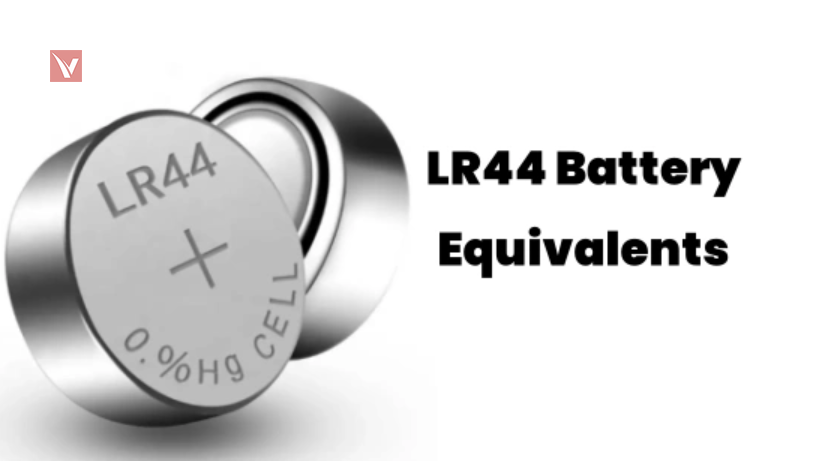
Introduction
The LR44 battery is one of the most commonly used button cell batteries found in small electronic devices. It is a 1.5V alkaline coin cell battery with a standard size of 11.6 mm in diameter and 5.4 mm in height. Known for its affordability and wide availability, the LR44 is frequently used in devices such as watches, calculators, laser pointers, toys, and medical tools.
The naming convention “LR44” follows IEC standards, where “L” indicates alkaline chemistry and “R44” refers to its size classification. While LR44 batteries are widely used, many users are unaware that there are multiple equivalent models with varying chemistries and performance characteristics. Choosing the right equivalent is critical, especially for precision electronics.
What Battery Is Equivalent to LR44
Several batteries are considered equivalents to the LR44 due to their identical physical dimensions and similar voltage output. However, they may differ in chemistry, performance, and lifespan.
To better understand the differences, refer to the table below:
| Battery Model | Chemistry | Voltage | Common Use Case |
|---|---|---|---|
| LR44 | Alkaline | 1.5V | General electronics, toys |
| AG13 / A76 | Alkaline | 1.5V | Budget replacements |
| SR44 (357/303) | Silver Oxide | 1.55V | Precision devices |
| SR44W | Silver Oxide (High Drain) | 1.55V | Cameras, digital tools |
| SR44SW | Silver Oxide (Low Drain) | 1.55V | Watches |
While all these batteries can physically replace an LR44, not all are functionally interchangeable. Understanding the chemistry behind them is essential for optimal performance.
Are LR44 Equivalents Always Interchangeable?
Many LR44 equivalents have the same size and similar voltage, but that does not mean they perform the same in every device.
Before choosing an LR44 replacement, check these points:
-
Device type: Toys and basic electronics usually accept alkaline equivalents such as AG13 or A76, while watches, medical tools, and digital instruments often need silver oxide cells for more stable output.
-
Battery chemistry: LR44 is alkaline, while SR44 series batteries are silver oxide, and their discharge behavior is different.
-
Power demand: High-drain or precision devices usually perform better with silver oxide batteries.
-
Leakage risk: Lower-quality batteries may have weaker sealing and a higher chance of leakage over time.
-
Supplier quality: Batteries with the same code can still vary by manufacturer, so sourcing from a trusted distributor is important.
Understanding Alkaline vs Oxide Chemistry
The key difference between LR44 and its premium equivalents lies in battery chemistry: alkaline vs silver oxide.
Alkaline batteries (LR series) are cost-effective and widely available. However, they suffer from a gradually declining voltage output over time. This means the voltage starts at around 1.5V but steadily drops as the battery discharges.
Silver oxide batteries (SR series), on the other hand, maintain a much more stable discharge curve. Their nominal voltage is slightly higher at 1.55V, but more importantly, they deliver consistent voltage throughout most of their lifespan.
This difference in discharge behavior has real-world implications:
- Alkaline (LR44): Voltage drops continuously → unstable performance in sensitive devices
- Silver Oxide (SR44): Flat discharge curve → consistent and reliable output
In devices that rely on stable voltage—such as measurement tools or timekeeping instruments—this stability is crucial. Even a small voltage fluctuation can lead to inaccurate readings or malfunction.
Advantages of LR44 Batteries and Selection Tips
LR44 batteries remain popular because they are affordable, easy to find, and suitable for many everyday devices.
For toys, calculators, small flashlights, and simple electronic products, they usually provide enough performance at a lower cost.
Main advantages of LR44 batteries:
-
Low cost for large-volume or routine replacement use.
-
Widely available across retail and component supply channels.
-
Standard size makes replacement simple.
-
Suitable for many general-purpose devices.
Selection tips:
-
Check the battery model marked on the device or in the manual.
-
Do not mix old and new batteries or different chemistries.
-
Use silver oxide types for precision or voltage-sensitive devices when supported.
-
Check shelf life and storage condition before purchase.
-
Buy from reliable suppliers to reduce the risk of leakage or inconsistent quality.
Main LR44 Battery Manufacturers
Many manufacturers produce LR44-size button cell batteries, but they do not always use the same label. Common brands on the market include Maxell, Panasonic, Murata, Sony, Energizer, Duracell, Renata, GP Batteries, Camelion, and Toshiba.
Here are some common naming patterns:
-
Maxell — often seen as LR44, SR44W, or 357.
-
Panasonic — commonly uses LR44 for alkaline versions and SR44 series for silver oxide versions.
-
Murata / Sony — more often associated with SR44, SR44SW, or SR44W in precision applications.
-
Energizer / Duracell — retail products are often cross-referenced to A76, 357, or similar consumer-facing codes.
-
Renata — commonly uses 357, 303, SR44, or SR44W for silver oxide types.
-
GP Batteries — names such as GP76A, GP357, or GP303 may appear depending on chemistry and series.
Why Precision Tools Require Specific Silver Oxide Batteries
Not all devices are equally tolerant of voltage fluctuations. Precision electronics often require stable and predictable power sources, making silver oxide batteries the preferred choice.
Here are common scenarios where LR44 replacements should be carefully selected:
Digital Calipers
Digital calipers rely on precise voltage levels to ensure accurate measurements. Using an alkaline LR44 may result in drifting readings as voltage declines. An SR44 battery ensures consistent measurement accuracy over time.
Vintage Cameras
Older film cameras often use button cells for light meters. These systems are calibrated for stable voltage input. An alkaline battery can cause exposure inaccuracies, while silver oxide maintains proper calibration.
Medical Devices
Devices such as glucometers or thermometers demand reliability. Voltage instability from alkaline cells can compromise readings, which is unacceptable in medical contexts.
Watches and Timers
Even slight voltage variations can affect timekeeping accuracy. This is why most watch manufacturers recommend SR44SW instead of LR44 equivalents.
In short, while LR44 equivalents may “fit,” they may not “perform” equally. Choosing the correct chemistry directly impacts device functionality and reliability.
Verifying Physical Dimensions For A Perfect Fit
One of the main concerns users have when choosing an LR44 equivalent is whether it will physically fit their device.
The good news is that all LR44 equivalents—regardless of brand or chemistry—follow the same standardized dimensions:
-
Diameter: 11.6 mm
-
Height: 5.4 mm
This standardization ensures compatibility across devices designed for LR44 batteries. Whether you choose an AG13, A76, or SR44, the physical fit will remain consistent.
However, it is still recommended to:
-
Check the battery compartment for labeling (e.g., LR44, 357)
-
Avoid stacking thinner batteries to compensate for height
-
Ensure proper polarity alignment during installation
By confirming these basic factors, you can avoid installation issues and ensure optimal device performance.
Preventing Acid Leaks In Your Expensive Electronics
Battery leakage is one of the most common causes of damage in small electronics, and it is often overlooked.
Alkaline batteries like LR44 are more prone to leakage, especially under the following conditions:
-
Long-term storage inside devices
-
Exposure to high temperatures
-
Deep discharge (fully drained batteries left in place)
Silver oxide batteries have a more stable internal chemistry and are significantly less likely to leak.
To protect your devices:
- Remove batteries if the device will not be used for extended periods
-
Avoid mixing old and new batteries
-
Store batteries in a cool, dry environment
-
Choose reputable brands with anti-leak technology
Shelf life also differs:
- LR44 (Alkaline): Typically 2–3 years
- SR44 (Silver Oxide): Up to 5 years or more
Investing in higher-quality batteries can prevent costly damage to sensitive electronics.
For more information on the sizes and specifications of button batteries, please refer to our comprehensive guide on button battery dimensions.
Common Questions About Upgrading Button Cell Batteries
Can I replace LR44 with SR44?
Yes, SR44 is one of the best upgrades for LR44. It offers the same size with improved voltage stability and longer lifespan.
Can I mix alkaline and silver oxide batteries?
No, mixing different chemistries can lead to uneven discharge, leakage, and potential device damage.
Is LR44 the same as AG13?
Yes, AG13 is a direct alkaline equivalent of LR44 with identical dimensions and voltage.
Where is the safest place to buy LR44 equivalents?
It is recommended to purchase from trusted electronic component distributors like Vigor Components to ensure authenticity, quality control, and proper storage conditions.
Are all LR44 batteries rechargeable?
No, standard LR44 and SR44 batteries are non-rechargeable. Attempting to recharge them can be dangerous.
Which is better for long-term use?
Silver oxide (SR44) batteries are better for long-term use due to their stable voltage, longer shelf life, and reduced risk of leakage.